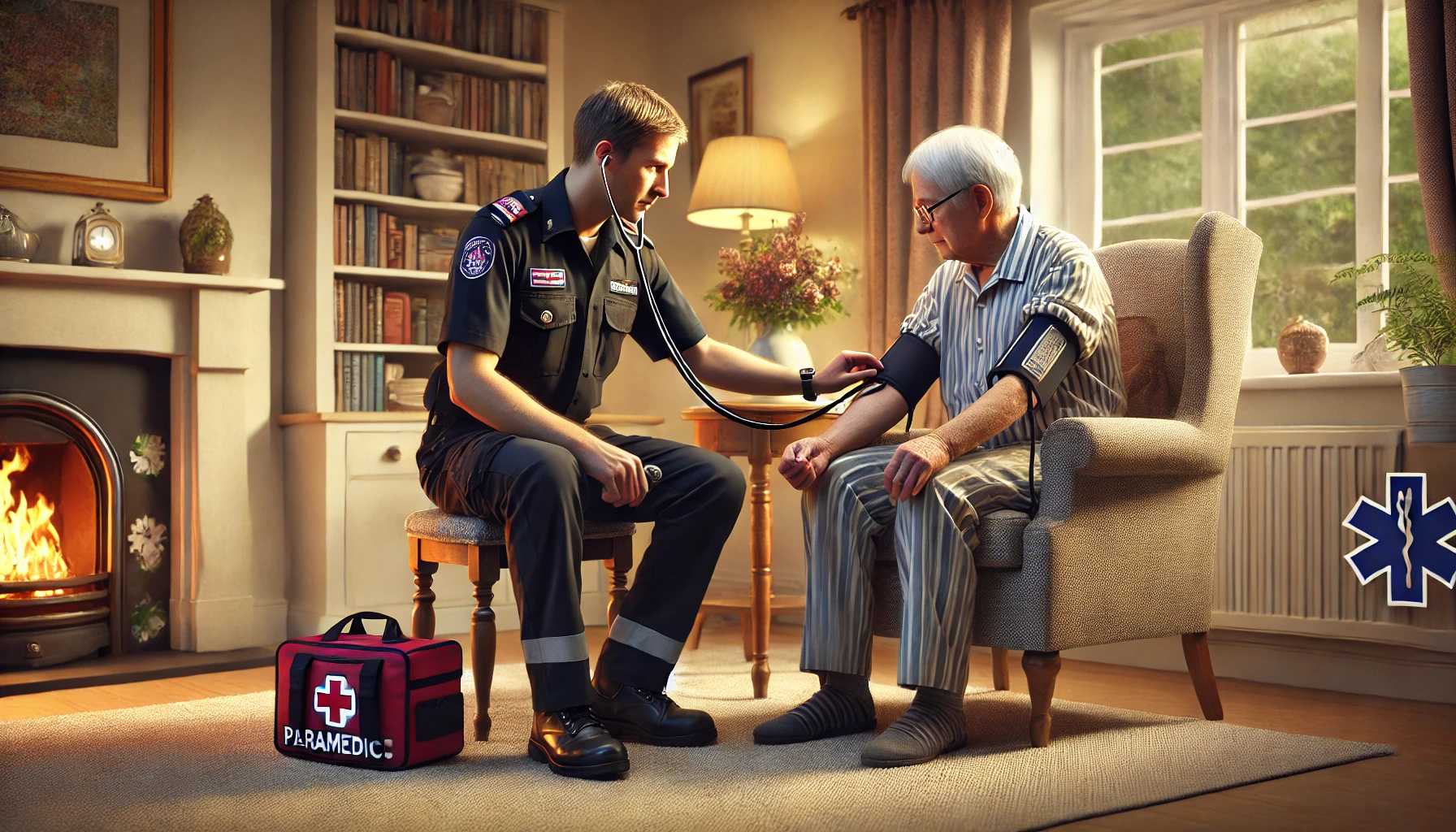
In emergency medical services (EMS), every second counts. Amidst the chaotic environment of the prehospital setting, one of the most critical tools an EMS provider has at their disposal is the assessment of a patient’s vital signs. Vital signs act as a window into the body’s immediate condition, allowing EMS professionals to rapidly and precisely make informed decisions. But beyond their numerical values, vital signs tell a deeper story. This article will explore what vital signs reveal to EMS providers and why they are foundational in patient assessment.
The Essential Five Vital Signs
Traditionally, there are five primary vital signs that EMS providers monitor:
-
Heart Rate (Pulse): The pulse directly indicates cardiovascular health. Adults’ normal resting heart rate ranges between 60-100 beats per minute (BPM). Deviations can signal various conditions:
-
Tachycardia (>100 BPM): May indicate pain, stress, fever, dehydration, or underlying cardiac issues like arrhythmias.
-
Bradycardia (<60 BPM): This can be a sign of hypothermia, head injury, or, in some cases, normal conditioning in athletes.
-
Irregular rhythms may suggest atrial fibrillation or other arrhythmias requiring immediate intervention.
-
-
Blood Pressure (BP): Blood pressure provides insights into the circulatory system’s performance. It is recorded as systolic/diastolic pressure, with a typical range of around 120/80 mmHg.
-
Hypertension (>140/90 mmHg): This could indicate stress, pain, or chronic conditions like hypertension.
-
Hypotension (<90/60 mmHg): Often signifies shock, dehydration, or blood loss. A rapid drop in BP is particularly alarming in trauma scenarios.
-
-
Respiratory Rate (RR): This vital sign reflects the efficiency of the respiratory system. Normal respiratory rates for adults range from 12-20 breaths per minute.
-
Tachypnea (>20 breaths per minute): This may indicate hypoxia, metabolic acidosis, or anxiety.
-
Bradypnea (<12 breaths per minute): Suggests respiratory depression, which could result from opioid use, head injuries, or other central nervous system depressants.
-
-
Temperature: Body temperature helps EMS providers identify systemic issues like infections or environmental exposure.
-
Fever (>100.4°F/38°C): Indicates infection or inflammatory response.
-
Hypothermia (<95°F/35°C): This could be due to environmental exposure or systemic dysfunction.
-
-
Oxygen Saturation (SpO2): Measured with a pulse oximeter, SpO2 indicates the oxygenation level of the blood. Normal ranges are 94-100%.
-
Levels below 90% indicate hypoxemia and require prompt oxygen administration or airway management.
-
Vital Signs as Clues to the Underlying Story
Vital signs are not just standalone numbers; they tell a cohesive story when interpreted together. EMS providers are trained to identify patterns and correlations:
-
Shock: A combination of low BP, elevated heart rate, and increased respiratory rate often signals hypovolemic or septic shock.
-
Respiratory Distress: A high respiratory rate paired with low SpO2 and cyanosis points to conditions like asthma, COPD exacerbations, or pulmonary embolism.
-
Neurological Emergencies: Abnormal blood pressure, irregular heart rate, and changes in respiratory patterns (e.g., Cheyne-Stokes breathing) could suggest increased intracranial pressure.
Beyond the Basics: Expanding Vital Sign Assessment
Modern EMS practices often include additional metrics to enhance diagnostic accuracy:
-
Capnography (End-Tidal CO2): Used to monitor ventilation effectiveness, particularly in intubated patients. Normal ETCO2 values range from 35-45 mmHg. Deviations provide critical information:
-
Low ETCO2 (<35 mmHg): Suggests hyperventilation, shock, or pulmonary embolism.
-
High ETCO2 (>45 mmHg): Indicates hypoventilation or respiratory failure.
-
-
Pain Assessment: Often referred to as the “fifth vital sign,” pain scales help gauge the severity of a patient’s condition. Descriptive pain assessments (e.g., OPQRST) are invaluable in guiding treatment.
-
Blood Glucose Levels: Especially important in diabetic patients, altered glucose levels can mimic other conditions, such as stroke or altered mental status. Normal blood glucose is typically 70-110 mg/dL.
-
Mental Status (AVPU Scale): While not a traditional vital sign, assessing a patient’s level of consciousness (Alert, Verbal, Painful, Unresponsive) is a cornerstone of EMS evaluations.
Trending Vital Signs: A Dynamic Process
One set of vital signs provides a snapshot, but trending over time offers a moving picture. By continuously monitoring and documenting vital signs, EMS providers can:
-
Detect subtle changes that may indicate improvement or deterioration.
-
Evaluate the effectiveness of interventions, such as oxygen therapy or IV fluid administration.
-
Predict outcomes and anticipate the need for advanced care.
Challenges in Vital Sign Assessment
Despite their importance, assessing vital signs in the field comes with challenges:
-
Environmental Factors: Extreme temperatures, noise, and lighting can impact the accuracy of measurements.
-
Patient Cooperation: Combative or uncooperative patients may hinder assessments.
-
Equipment Limitations: Malfunctioning or poorly calibrated devices can lead to inaccurate readings.
To overcome these hurdles, EMS providers rely on their training, clinical judgment, and sometimes unconventional methods, such as palpating pulses when monitors fail.
Case Study: The Power of Vital Signs in Action
Consider a 45-year-old male presenting with chest pain. His vital signs upon EMS arrival are:
-
Heart Rate: 110 BPM (tachycardia)
-
BP: 90/60 mmHg (hypotension)
-
RR: 24 breaths per minute (tachypnea)
-
SpO2: 92% on room air (mild hypoxemia)
-
Temperature: 98.6°F
These findings suggest a potential myocardial infarction with cardiogenic shock. EMS providers administer oxygen, initiate IV fluids cautiously, and prepare for advanced cardiac life support (ACLS) if needed. By recognizing the patterns in the vital signs, the crew provides life-saving interventions before arriving at the hospital.
Training and Technology: The Future of Vital Sign Monitoring
Advancements in technology continue to revolutionize how EMS providers assess and utilize vital signs:
-
Wearable Devices: Continuous monitoring devices provide real-time data during patient transport.
-
AI and Machine Learning: Algorithms analyze vital sign trends to predict patient outcomes and assist in decision-making.
-
Portable Ultrasound: Now becoming more common in EMS, it adds another layer to assessing circulation and cardiac function.
Training EMS personnel to integrate these tools effectively is key to leveraging their potential.
Conclusion
Vital signs are the foundation of patient assessment in EMS, offering a wealth of information about a patient’s physiological state. They guide treatment, prioritize care, and, most importantly, save lives. For EMS providers, understanding the story behind the numbers is just as crucial as obtaining them. By staying vigilant, leveraging technology, and honing their clinical judgment, EMS professionals can continue to provide exceptional care in even the most challenging situations.
Sources:
-
American Heart Association (AHA). Advanced Cardiovascular Life Support (ACLS) Provider Manual.
-
National Registry of Emergency Medical Technicians (NREMT) Guidelines.
-
Prehospital Trauma Life Support (PHTLS) 9th Edition.