Meet the Team
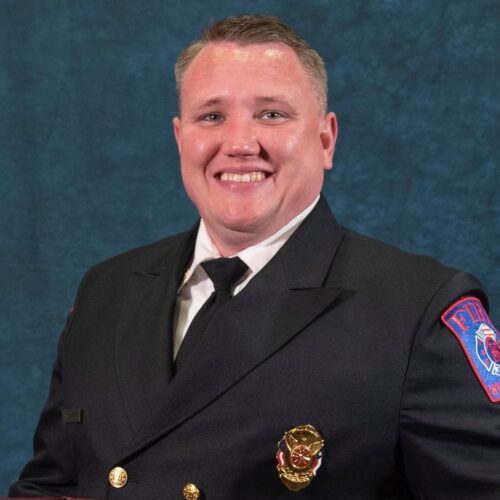
Dan Kramer is a fire and EMS leader, educator, and public safety consultant with experience in emergency services operations, emergency management, organizational leadership, and EMS education. He currently serves as Assistant Chief of Operations for Caldwell County ESD 5 and has previously served in senior leadership roles with the City of Schertz, Hays County ESD #3, and the City of Windcrest.
Dan is also actively involved in public safety education through Texas Rescue Med, TEEX, San Antonio College, and other EMS and fire training organizations. His work focuses on developing strong providers, strengthening public safety organizations, and advancing the future of EMS in Texas.
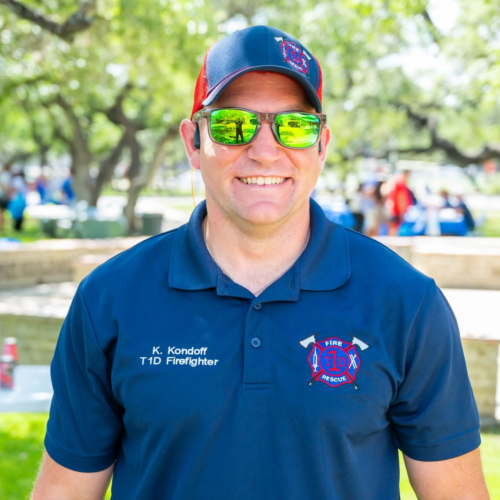
Kyle is a fire lieutenant/EMT-B with Waller Harris ESD 200. He works for Schlitterbahn as a first aid supervisor, teaches fire academy for Central Texas Regional Training Academy, and teaches our EMT classes.
Kyle has been a firefighter/EMT-B for over 15 years and worked offshore on oil rigs as a rope rescue technician.
Kyle is a Type 1 Diabetic, and he founded T1D Fire, a nonprofit that rescues diabetics in their time of need.
In his free time, Kyle enjoys hanging out with his wife, Candice and family. Kyle and Candice are expecting their first child in 2 months, and he is excited to use his medical training for the delivery.

Sarah Kramer is the Co-Owner and Chief Operations Officer of Texas Rescue Med, where she works alongside her husband, Dan, to advance healthcare education and strengthen the EMS workforce throughout Texas. Together, they have built Texas Rescue Med with a vision of creating meaningful opportunities for students, healthcare professionals, and the communities they serve.
Sarah holds a Master of Business Administration with a concentration in Healthcare Administration from The University of Texas at Tyler and is currently pursuing a Doctorate in Healthcare Administration. Her background combines healthcare leadership, operations management, business development, marketing, and organizational growth.
As a business owner, healthcare leader, wife, and mother of three, Sarah brings a deeply personal perspective to her work. She and her husband homeschool their children and are actively involved in every aspect of their lives. Their family values shape the mission behind Texas Rescue Med: building organizations that create lasting impact, strengthen communities, and leave a legacy for future generations.
Sarah is passionate about expanding access to healthcare education, supporting rural communities, developing future healthcare leaders, and creating pathways for students to achieve meaningful careers in healthcare. She believes that success is measured not only by business growth but by the lives impacted along the way.
Outside of work, Sarah enjoys spending time with her family, reading, gardening, photography, and investing in community initiatives that help others thrive.

Suh Hughart serves as the Director of Education and Instructor Development for Texas Rescue Med, LLC, where she helps lead the organization’s educational programs, instructor development initiatives, and commitment to high-quality EMS training. As an experienced paramedic, EMS educator, curriculum developer, and conference speaker, Suh brings a strong blend of field experience, instructional expertise, and student-centered leadership to the Texas Rescue Med team.
Suh has worked across multiple sectors of emergency medical services, including private, hospital-based, and 911 ambulance operations. Her background includes extensive experience as a field paramedic and EMS educator, with a focus on practical, trauma-informed, and provider-centered education. She is a recipient of the Dr. Larry J. Miller Centre for Emergency Health Sciences Fellowship Award and has contributed to the EMS profession as a published author, content reviewer, and speaker at state, national, and international EMS conferences.
In her role with Texas Rescue Med, Suh supports the development of strong instructors and effective learning environments that prepare students for the realities of prehospital care. Her approach emphasizes clinical clarity, professional confidence, compassionate patient care, and the practical application of EMS knowledge in the field. Through her leadership, she helps ensure Texas Rescue Med students and instructors are equipped not only to meet certification requirements, but to serve their communities with competence, professionalism, and purpose.
Frequently Asked Questions
What is EMS training?
Emergency Medical Services training refers to the education and preparation provided to individuals to equip them with the necessary skills to respond to medical emergencies. This training includes a range of techniques from basic first aid and CPR to more advanced procedures like handling trauma cases, administering medications, and using emergency equipment. EMS training is typically categorized into different levels, such as Emergency Medical Responder (EMR), Emergency Medical Technician (EMT), Advanced EMT (AEMT), and Paramedic.
How long does EMS training take?
The duration of EMS training depends on the level of certification. An EMR course might only take a few days to a couple of weeks. EMT basic training usually requires about 120 to 150 hours, which often translates to a few months of part-time study. Advanced EMT training could add another 300-400 hours beyond the basic EMT level. Paramedic training is the most extensive, often requiring 1,200 to 1,800 hours of training, which can take from six months to two years to complete, depending on the program’s intensity and the student’s schedule.
What are the prerequisites for enrolling in EMS training?
Prerequisites vary by program and level of EMS training. Here at Texas Rescue Med, for EMT basic training, you must be at least 18 years old (17 years old with parental consent), have a high school diploma or GED, and be physically able to perform the duties required. We also need a background check, immunizations, a 10-panel drug screen, pre-coursework, and a CPR certification. A current EMT certification is required for higher levels of EMS training, such as AEMT or Paramedic.
What skills are taught in EMS training?
EMS training covers a wide range of medical and trauma-related skills. This includes patient assessment, cardiopulmonary resuscitation (CPR), automated external defibrillator (AED) use, oxygen therapy, bandaging and splinting, spinal immobilization, childbirth, management of bleeding, handling of infectious diseases, and administration of certain medications. Advanced training covers more complex skills like intravenous therapy, electrocardiogram (ECG) interpretation, and endotracheal intubation.
How do I get certified and what happens after EMS training?
After completing EMS training, you must pass a national or state examination to become certified. The National Registry of Emergency Medical Technicians (NREMT) is the most recognized certifying agency for EMTs and Paramedics. Once you pass the exam, you can apply for state certification or licensure (requirements vary by state). Maintaining certification typically requires continuing education and renewal every two to three years. After becoming certified, you can work in various settings, including ambulance services, fire departments, hospitals, and other emergency service environments.
What EMS course is right for me?
The right EMS course depends on your current experience and career goals. EMR is a strong entry point for responders who need basic emergency care training. EMT is the most common starting point for students pursuing work on an ambulance, in fire service, emergency response, or healthcare. Advanced EMT and Paramedic training build on EMT knowledge and prepare students for a broader clinical scope.
Are your EMS courses online, in-person, or hybrid?
Texas Rescue Med offers flexible EMS training options for each course. Some programs are delivered in a hybrid format, combining online coursework with scheduled hands-on skills labs, while other options may include structured online coursework with required skills validation. Students should review the specific course schedule before enrolling to understand the required online work, lab dates, and completion expectations.