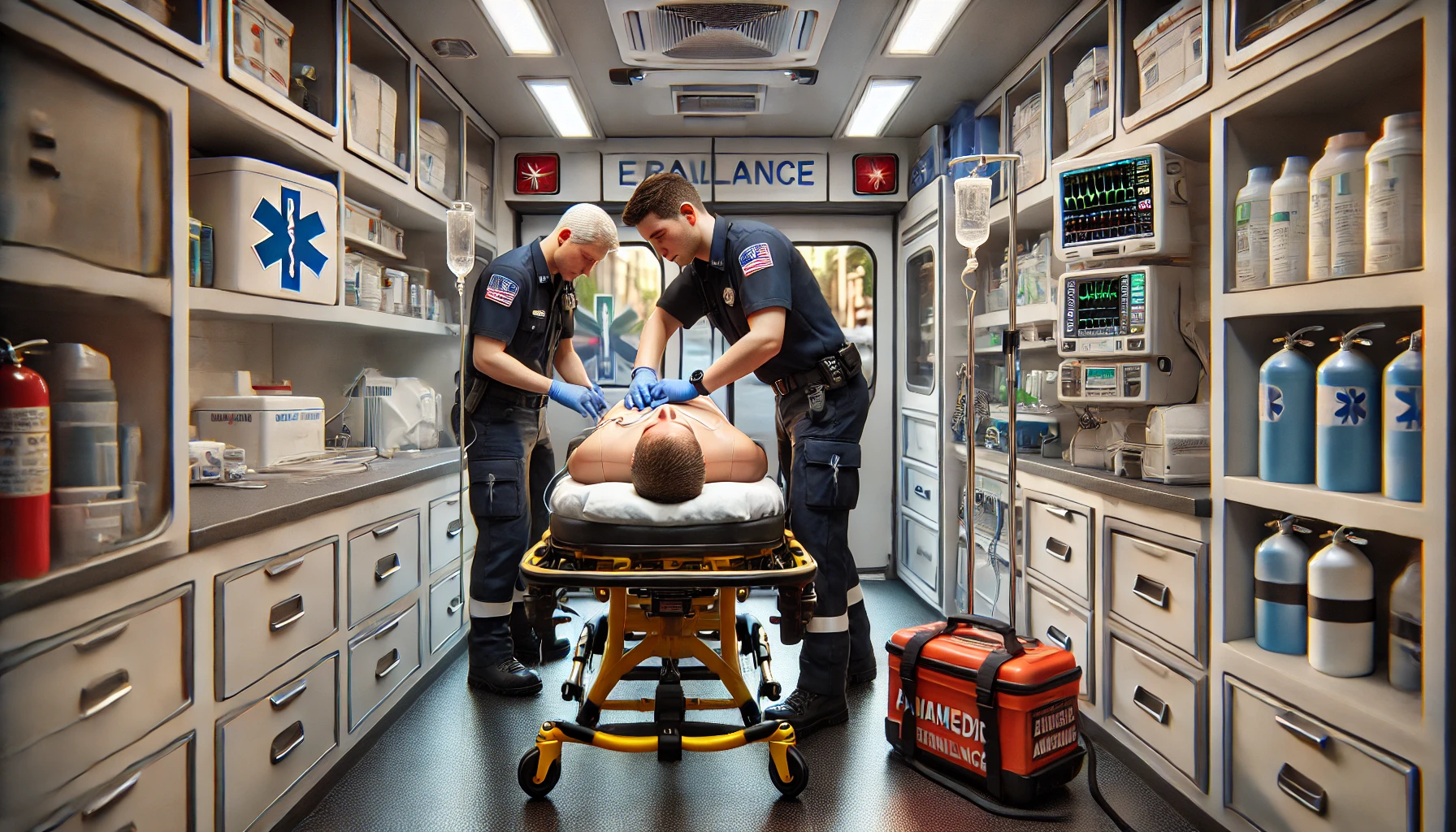
Shock is one of the most critical and time-sensitive conditions encountered in emergency medical services (EMS). Whether caused by trauma, illness, or environmental factors, shock represents a life-threatening state of insufficient blood flow to the body’s tissues and organs. Recognizing and addressing it promptly can make the difference between life and death. For EMS providers, understanding the types of shock, their presentations, and initial treatment strategies is paramount.
What is Shock?
Shock occurs when the circulatory system fails to deliver enough oxygen and nutrients to maintain cellular metabolism. This imbalance leads to tissue hypoxia, organ dysfunction, and, if untreated, death. The condition can arise from various underlying causes, but the common endpoint is inadequate perfusion and oxygenation of tissues.
The four main types of shock are:
-
Hypovolemic Shock: Caused by a significant loss of blood or fluids.
-
Cardiogenic Shock: Resulting from the heart’s inability to pump effectively.
-
Distributive Shock: Characterized by an abnormal distribution of blood flow, often due to vasodilation.
-
Obstructive Shock: Caused by physical obstruction to blood flow.
Types of Shock and Their Causes
1. Hypovolemic Shock
Hypovolemic shock is the most common form and is typically caused by:
-
Hemorrhage: Severe bleeding from trauma, gastrointestinal bleeding, or ruptured aneurysms.
-
Fluid Loss: Vomiting, diarrhea, burns, or excessive sweating leading to dehydration.
Signs and Symptoms:
-
Rapid heart rate (tachycardia)
-
Hypotension (low blood pressure)
-
Cool, clammy skin
-
Altered mental status (confusion, anxiety, or lethargy)
-
Decreased urine output
2. Cardiogenic Shock
Cardiogenic shock occurs when the heart fails to pump effectively. Common causes include:
-
Myocardial infarction (heart attack)
-
Congestive heart failure
-
Arrhythmias
-
Cardiomyopathy
Signs and Symptoms:
-
Chest pain
-
Pulmonary edema (fluid in the lungs), leading to shortness of breath
-
Weak or irregular pulse
-
Jugular vein distension (JVD)
-
Cyanosis (bluish discoloration of the skin)
3. Distributive Shock
This type is caused by widespread vasodilation and includes:
-
Septic Shock: Resulting from severe infections.
-
Anaphylactic Shock: Triggered by severe allergic reactions.
-
Neurogenic Shock: Due to spinal cord injury or nervous system dysfunction.
Signs and Symptoms:
-
Warm, flushed skin (early septic shock)
-
Hives, swelling, or respiratory distress (anaphylactic shock)
-
Bradycardia (neurogenic shock)
-
Hypotension
-
Altered mental status
4. Obstructive Shock
This occurs when physical barriers impede blood flow. Common causes include:
-
Pulmonary embolism
-
Tension pneumothorax
-
Cardiac tamponade
-
Aortic dissection
Signs and Symptoms:
-
Severe shortness of breath
-
Distended neck veins
-
Hypotension
-
Tracheal deviation (tension pneumothorax)
-
Muffled heart sounds (cardiac tamponade)
Recognition in the Field
EMS providers are often the first to assess and manage shock. The following steps are critical:
-
Primary Assessment: Begin with the ABCs (Airway, Breathing, Circulation). Look for obvious signs of compromise, such as labored breathing, weak pulses, or altered mental status.
-
Vital Signs: Monitor blood pressure, heart rate, respiratory rate, and oxygen saturation. Hypotension and tachycardia are key indicators of shock.
-
Physical Exam: Assess skin color, temperature, and moisture. Pale, cool, clammy skin is a hallmark of many shock types. Conversely, warm and flushed skin may indicate septic or anaphylactic shock.
-
Patient History: Gather information about recent events, medical history, and medications. For example, trauma history may point to hypovolemic shock, while chest pain and cardiac history may suggest cardiogenic shock.
-
Focused Assessment: Identify potential causes. For instance:
-
Trauma: Check for external bleeding or signs of internal hemorrhage.
-
Allergic Reaction: Look for swelling, hives, or wheezing.
-
Infection: Note fever, malaise, or a known source of infection.
-
Treatment Priorities in EMS
Once shock is recognized, rapid intervention is essential. The goal is to restore perfusion and address the underlying cause. Key treatment steps include:
1. Hypovolemic Shock
-
Control Bleeding: Apply direct pressure, tourniquets, or hemostatic agents for external hemorrhage.
-
Fluid Resuscitation: Administer isotonic crystalloids (e.g., normal saline or lactated Ringer’s) to restore circulating volume.
-
Positioning: Place the patient supine with legs elevated if there is no suspicion of spinal injury.
2. Cardiogenic Shock
-
Oxygen Therapy: Provide supplemental oxygen to improve tissue oxygenation.
-
Medications: Use nitroglycerin or diuretics cautiously, following local protocols.
-
Monitor Closely: Be prepared for advanced cardiac life support (ACLS) interventions if the patient deteriorates.
3. Distributive Shock
-
Septic Shock: Administer fluids and transport promptly to a facility capable of administering antibiotics.
-
Anaphylactic Shock: Administer epinephrine intramuscularly, followed by antihistamines and corticosteroids if available.
-
Neurogenic Shock: Provide fluids and maintain spinal precautions.
4. Obstructive Shock
-
Pulmonary Embolism: Support oxygenation and transport for definitive care.
-
Tension Pneumothorax: Perform needle decompression if within your scope of practice.
-
Cardiac Tamponade: Transport urgently for pericardiocentesis.
The Importance of Rapid Transport
Shock is a dynamic condition, and prolonged prehospital time can worsen outcomes. After initiating treatment, prompt transport to an appropriate facility is crucial. Communicate effectively with the receiving hospital to ensure they are prepared to manage the patient.
Conclusion
Recognizing and managing shock in its early stages is a cornerstone of EMS practice. EMS providers can improve survival rates and patient outcomes by understanding the types of shock, their presentations, and initial treatment strategies. As the saying goes, “Time is tissue,” and in cases of shock, every minute counts. Stay vigilant, rely on your training, and always be prepared to act decisively in these life-threatening situations.
Sources
-
American College of Emergency Physicians. (2023). “Shock: Types, Symptoms, and Treatment.” ACEP.org.
-
Tintinalli, J. E., & Ma, O. J. (2021). Tintinalli’s Emergency Medicine: A Comprehensive Study Guide. McGraw-Hill Education.
-
National Association of Emergency Medical Technicians (NAEMT). (2023). “PHTLS: Prehospital Trauma Life Support.”
One Comment