In the world of emergency medical services (EMS), few skills are as fundamental and lifesaving as cardiopulmonary resuscitation (CPR). While it may seem like a basic component of EMS training, CPR certification is an essential requirement that ensures first responders can provide immediate, high-quality care to patients experiencing cardiac arrest. As part of expert Texas EMS education, understanding the significance of CPR certification can make the difference between life and death in the field.
The Importance of CPR Certification in EMS
Every year, more than 350,000 out-of-hospital cardiac arrests occur in the United States, with survival rates heavily dependent on immediate intervention (American Heart Association, 2024). CPR is often the first and most critical response to these emergencies for EMS professionals. To maximize patient survival rates, certified EMTs and paramedics must be well-versed in the latest CPR techniques.
Ensuring High-Quality Chest Compressions
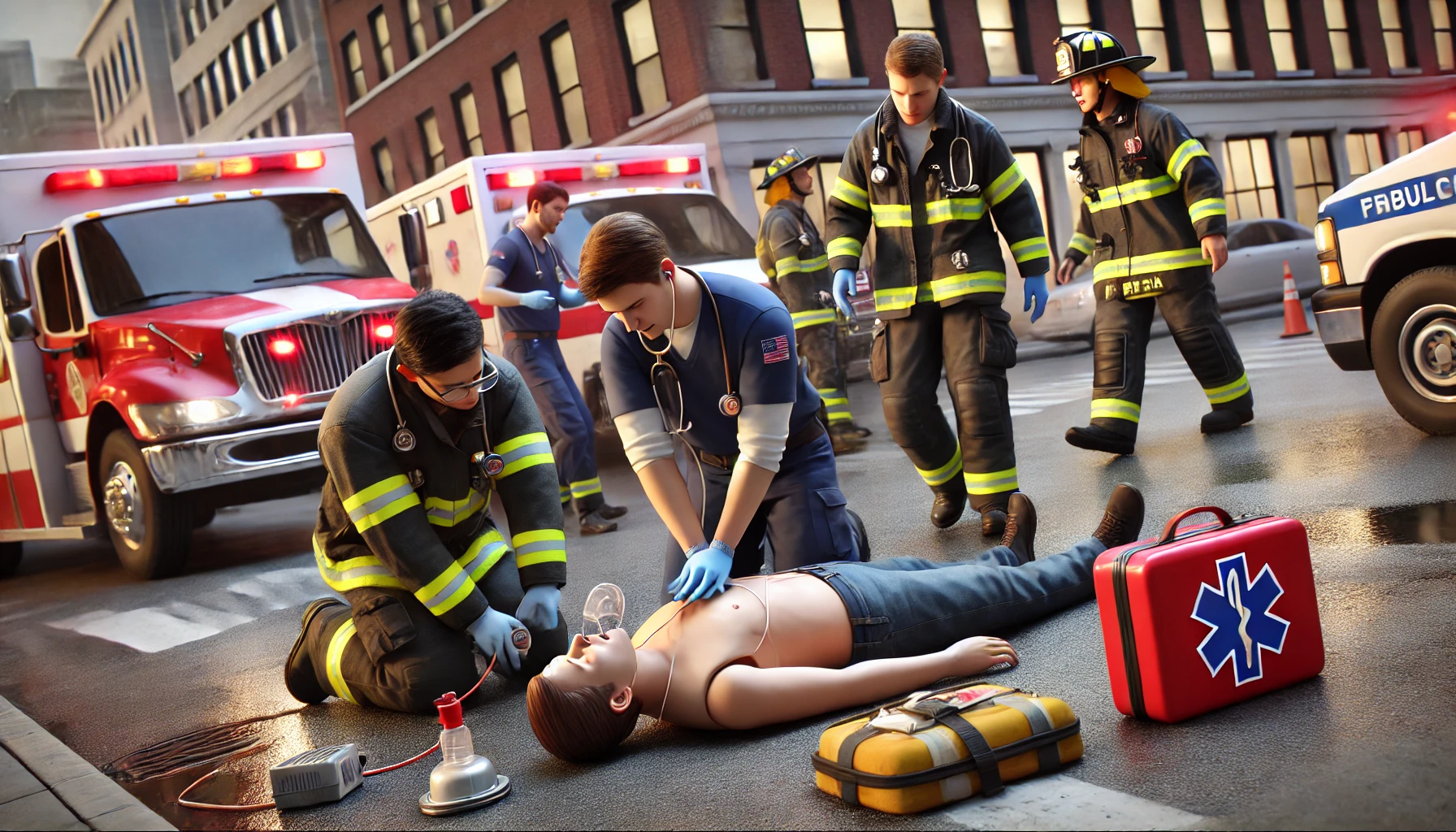
High-quality chest compressions are the backbone of effective CPR. According to the American Heart Association (AHA), compressions should be performed at a rate of 100-120 compressions per minute and at a depth of at least 2 inches for adults. Proper certification courses emphasize these techniques, ensuring EMS providers are prepared to deliver the most effective care possible.
The Role of CPR in Advanced Life Support (ALS) Protocols
CPR is not just about chest compressions. In an advanced life support (ALS) scenario, EMS professionals integrate CPR with advanced airway management, defibrillation, and medication administration. A solid foundation in CPR ensures seamless coordination with these interventions, increasing the likelihood of patient resuscitation.
The Evolution of CPR Techniques and Training
CPR techniques have evolved significantly over the years, with ongoing research shaping best practices. Certification courses ensure that EMS professionals stay updated with the latest guidelines and protocols.
The Shift Toward Hands-Only CPR
Recent studies highlight the effectiveness of compression-only CPR, especially in bystander interventions. EMS professionals must be able to educate the public about this technique while also understanding when traditional CPR with rescue breaths remains necessary.
Integration of Technology in CPR Training
Modern CPR certification courses incorporate feedback devices that measure compression depth and rate, helping trainees refine their technique. Some EMS agencies also use high-fidelity simulation to create realistic training scenarios that improve performance under pressure.
Maintaining CPR Certification: A Continuous Learning Process
Because CPR guidelines are updated every five years based on new research, EMS professionals must regularly renew their certification. This ongoing education ensures that providers know the latest advancements and techniques in resuscitation science.
Recertification Requirements
Most EMS agencies require CPR recertification every two years. Organizations such as the AHA and the Red Cross offer refresher courses that reinforce proper technique and introduce any updates to the guidelines.
The Impact of CPR Training on Patient Outcomes
A well-trained EMS provider can mean the difference between life and death for a patient in cardiac arrest. High-quality CPR significantly improves survival rates and neurological outcomes (Perkins et al., 2021). This underscores the necessity of maintaining current certification and practicing skills regularly.
How EMS Professionals Can Obtain or Renew Their CPR Certification
For those entering the EMS profession or looking to renew their certification, there are several ways to obtain CPR training:
- American Heart Association (AHA): The AHA offers Basic Life Support (BLS) certification, a requirement for most EMS providers.
- American Red Cross: Another widely recognized organization that provides CPR training tailored for healthcare professionals.
- Texas Rescue Med: As a leader in expert Texas EMS education, Texas Rescue Med offers certification courses designed to meet the needs of EMS professionals, ensuring they receive top-tier training.
Conclusion
CPR certification is not just a requirement; it is a fundamental skill that defines the effectiveness of EMS professionals in the field. From high-quality chest compressions to integrating CPR with ALS protocols, certification ensures that first responders have the knowledge and skills necessary to save lives. If you’re an EMS provider looking to enhance your expertise, consider enrolling in a CPR certification course through Texas Rescue Med to stay ahead in the field.
For more expert Texas EMS education information, visit TexasRescueMed.com to explore our training programs and certification courses.
Follow Us On Facebook!
Follow Us On Instagram!